Radka Kamenická · Prague 6
Body in Gravity

Rolfing® Structural Integration
It is a therapeutic process that traditionally consists of ten sessions, each building on the last. Through focused touch, we work with the body’s soft tissues, particularly fascia. Together, we explore your posture and movement habits, looking for ways to make better use of support from the ground and your own weight. The aim is to help the parts of the body work together, allowing you to stand and move with less effort. An important part of the process is developing awareness of your body, including how tension and stress show up in it.
Process
The traditional series consists of ten connected sessions. Their sequence reflects Ida Rolf’s emphasis on support in gravity.
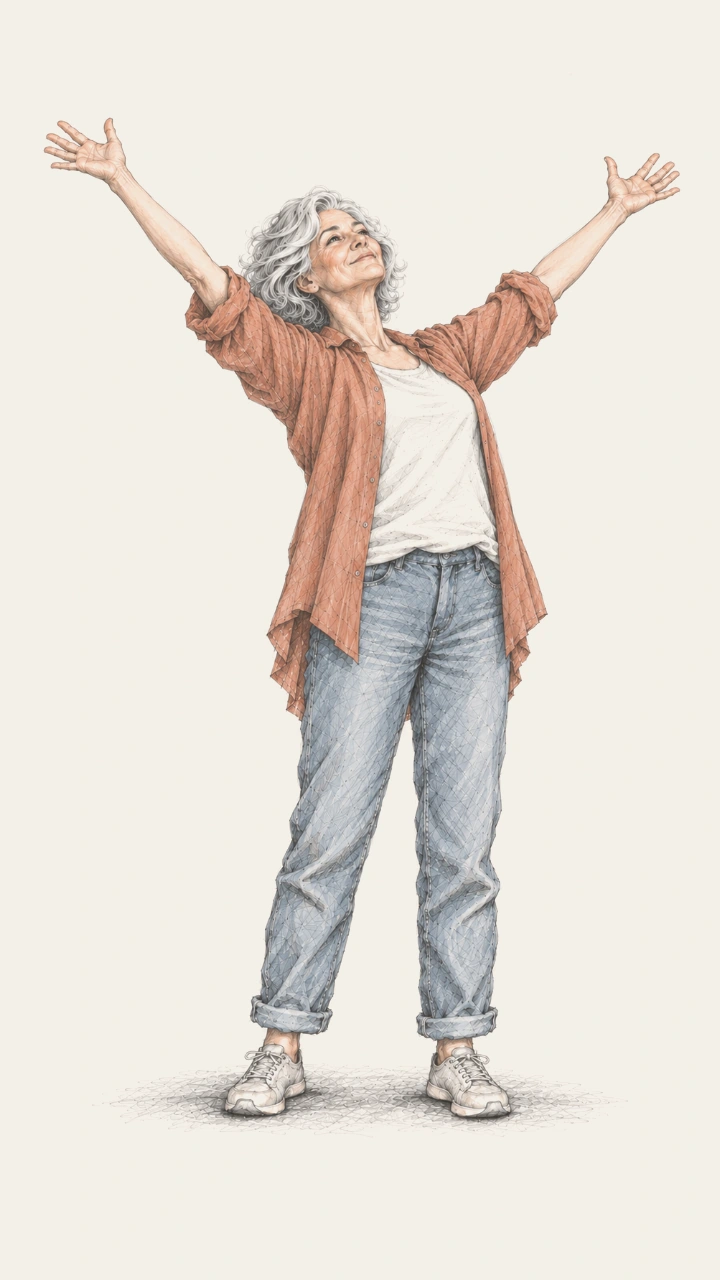
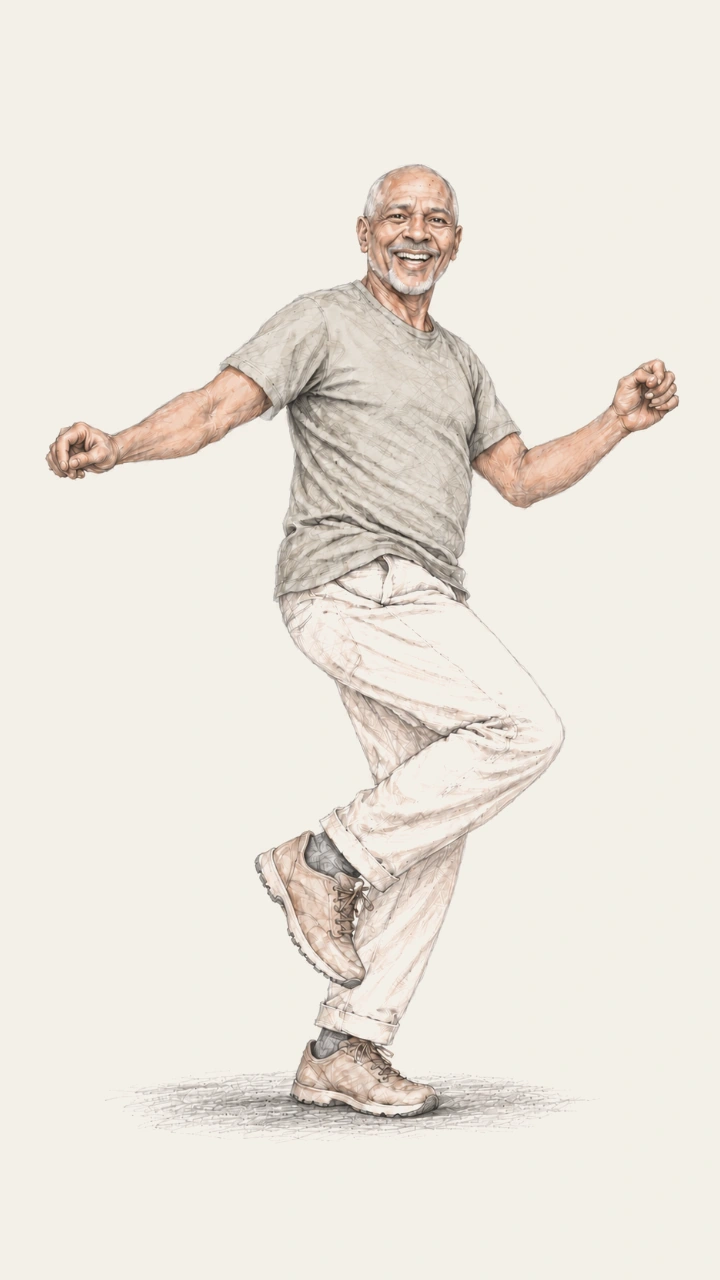
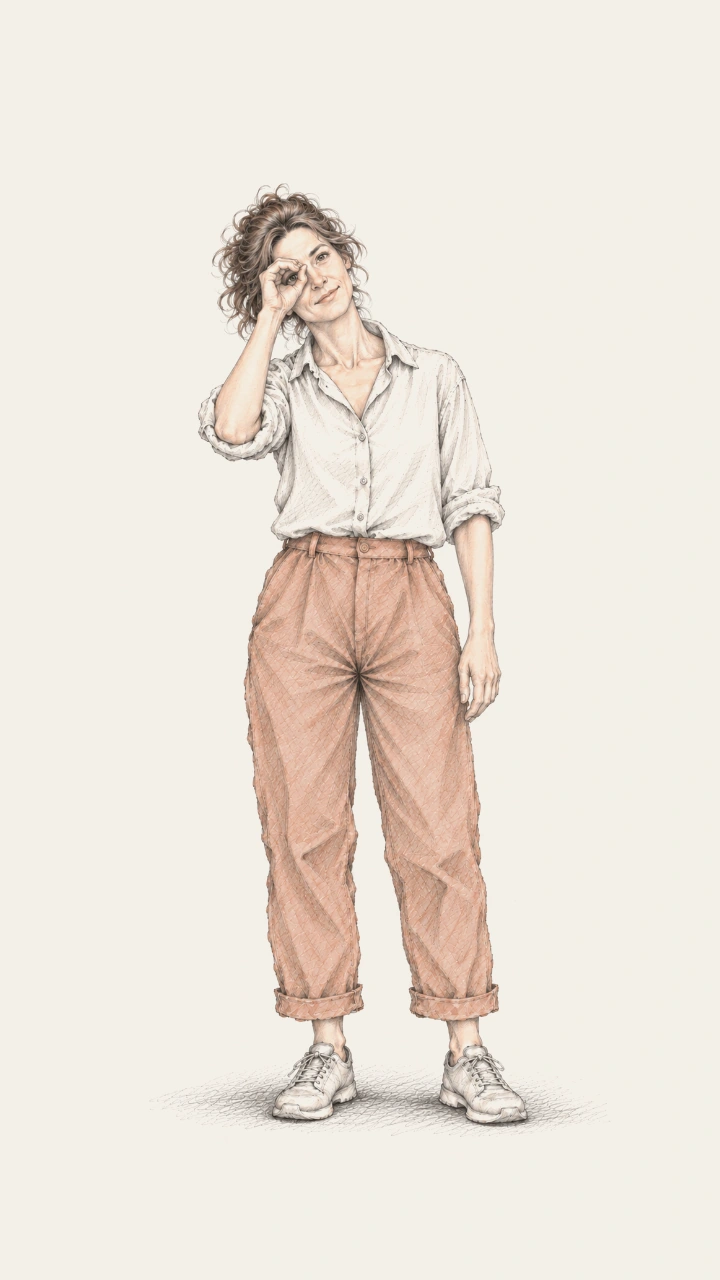
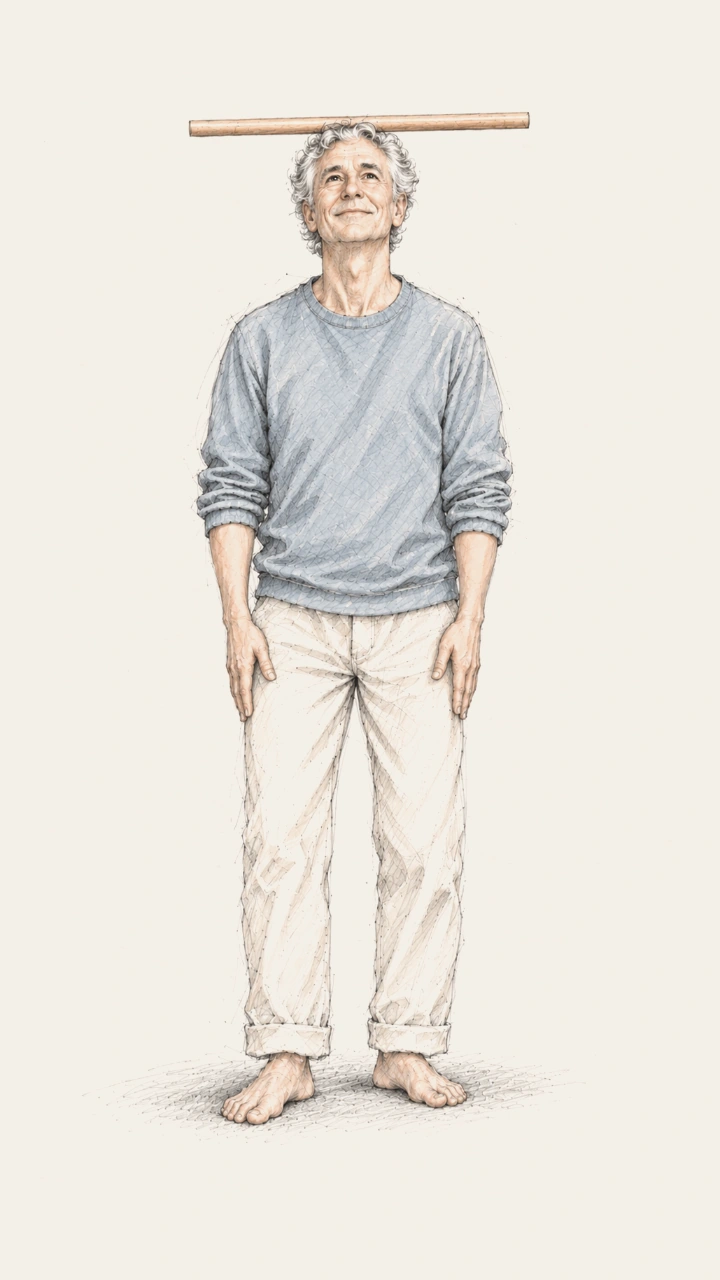
Breath in different directions
Area: chest, ribs, shoulders and related areas of the trunk.
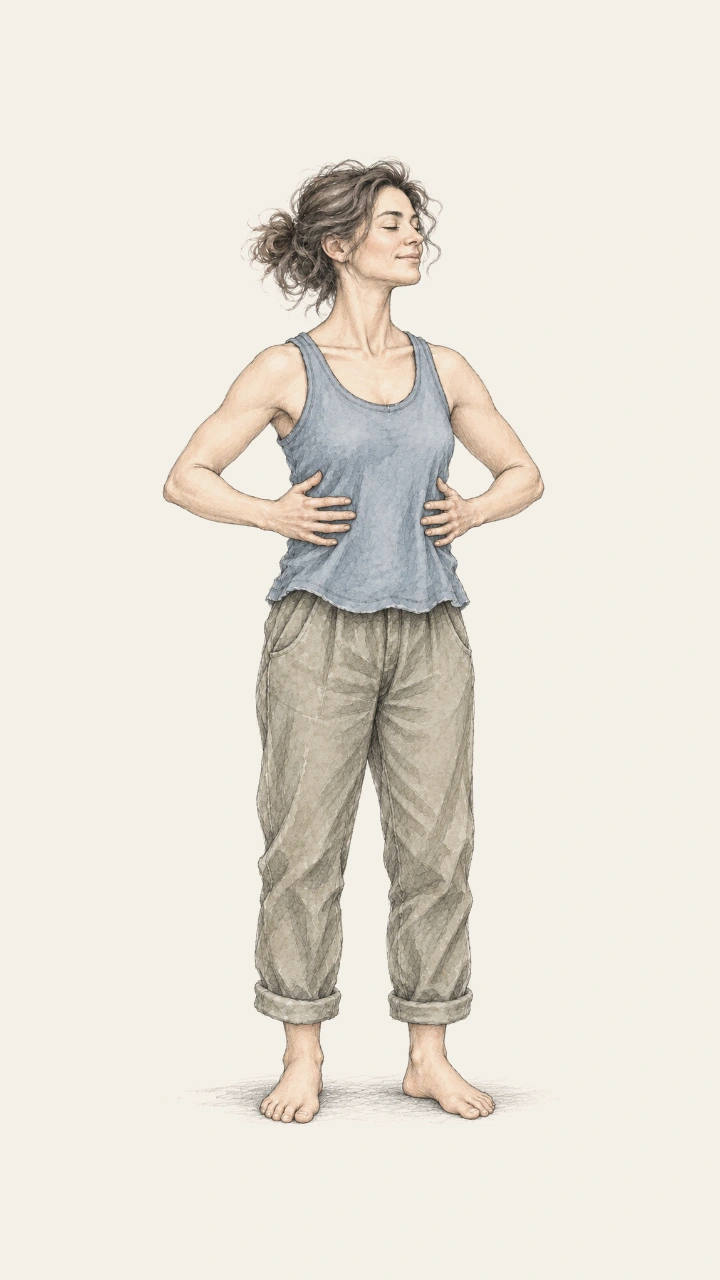
The aim is to support the mobility of structures involved in breathing and to sense how breath contributes to the body’s organisation. Breathing is a fundamental movement that accompanies us from birth.
The first three: breath, support and space
Breath in different directions
Area: chest, ribs, shoulders and related areas of the trunk.
The aim is to support the mobility of structures involved in breathing and to sense how breath contributes to the body’s organisation. Breathing is a fundamental movement that accompanies us from birth.
Support through the feet
Area: feet, ankles and lower legs.
We explore how the feet receive the body’s weight and adapt to the ground. Their support provides a foundation for further work higher up in the body.
Space along the sides
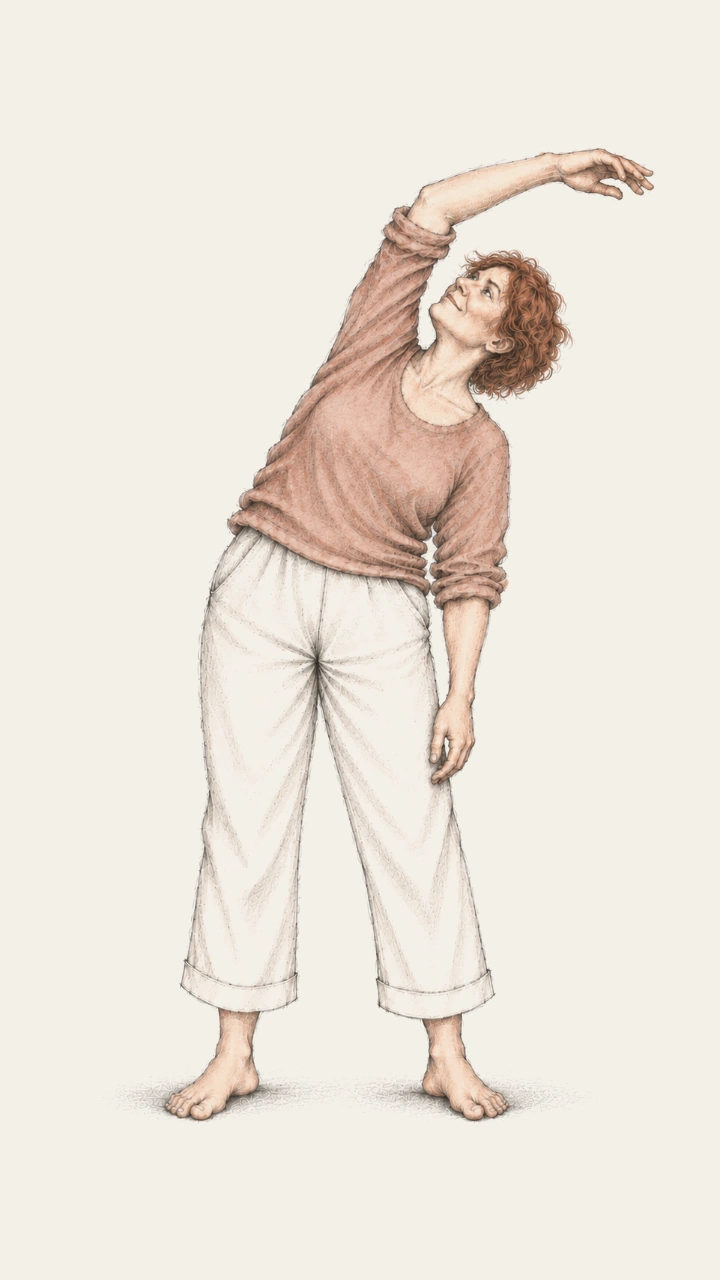
Area: the sides of the body, especially the relationships between the pelvis, ribcage and shoulder girdle.
We explore how the front and back of the body work together, the mobility of the ribs and the space between the pelvis and ribcage.
The middle four: deeper structural relationships
From foot to pelvis
Area: the inner arches of the feet, the inner sides of the legs and their relationship to the pelvis.
We develop the connections between support through the lower limbs and the centre of the body. This work opens the middle part of the series. We move into deeper layers.
From the pelvis upwards
Area: the front of the trunk, the abdomen and deeper relationships between the hips, pelvis and lumbar spine.
The aim of this session is to support the way the legs and trunk work together and move in relation to one another.
Freedom in the pelvis and back
Area: the backs of the legs, pelvis and back.
We build on the previous session from the opposite side, exploring how the back of the body contributes to support and movement of the spine.
Head and orientation
Area: neck, head, face and jaw.
We explore the head’s relationship to the spine and trunk, and its mobility as we orient ourselves in the space around us.
The final three: bringing it all together
Balance throughout the body
Area: selected relationships in the lower or upper body, according to current needs.
We begin the final phase of the series. We focus on how different areas work together and what still needs to be brought into balance.
Coordination across the body
Area: connections between the lower and upper body, including the involvement of the arms.
We develop the interplay of support, trunk and limbs in movement. Sessions eight and nine complement each other; I adapt their specific focus and order to your needs.
Integration
Area: the whole body and the connections between its parts.
We return to the connections between breath, support and movement. Together, we put into words what mattered to you and what you can keep working with.
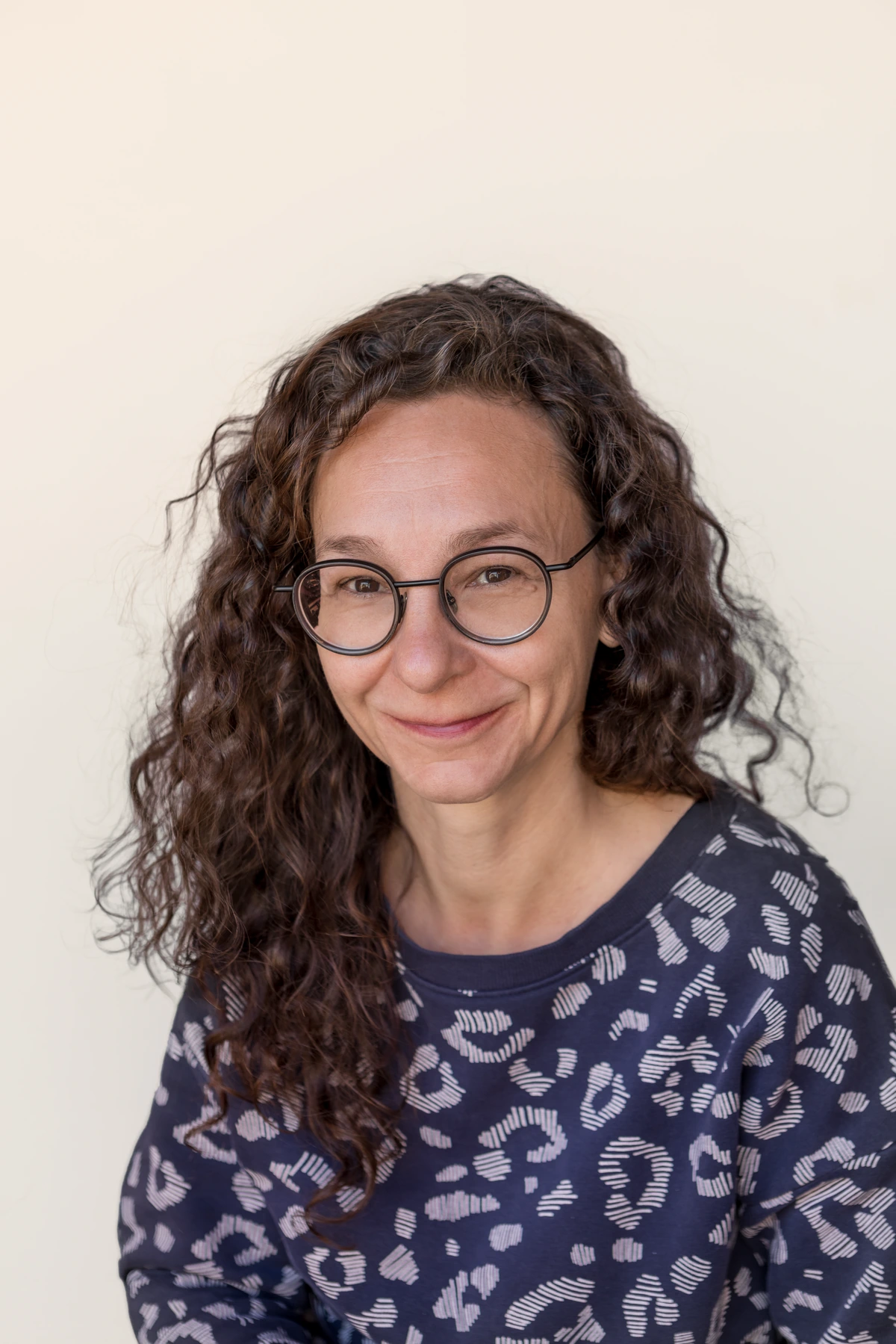
About me
From the age of six, I trained in artistic gymnastics and played the piano. For me, movement has been linked to rhythm ever since.
Rolfing® Structural Integration certification training
Dr Ida Rolf Institute® Europe, Munich
2025–2026
In the 1990s, I discovered the joys of electronic music and jazz, which drew me further into dance and improvisation. When I danced, I was looking for room to express myself; precise choreography and set poses felt restrictive. I was drawn to contemporary dance, and I still attend classes today. I also feel at home in improvisation, which connects movement, sound and rhythm and opens up new possibilities for expression. I still go to the occasional techno party.
My interest in expression through the body also informs my photography. I graduated from the Institute of Creative Photography at Silesian University in Opava and work mainly in portrait and food photography. I like observing what people express through their gestures and their overall presence, or “gestalt”. When time allows, I also work on long-term personal documentary photography projects.
I came to Rolfing in search of a method grounded in scientific knowledge that also considers movement as a whole. I am interested in how people use and perceive their bodies, and what they are really expressing through them. My experience as a photographer brings another perspective to this work: attention to gesture and expression. Dance and improvisation complement this with my own experience of different ways of moving.